
  Morrow Mechanical is now Amazing Morrow!

We're Hiring! Apply Online To Join the Ammmazing Morrow Team!

Author: justin@morrowmechanical.com

Heat Pump vs. Gas Furnace: Which Is the Better Investment for Spring, TX Winters?

When it comes to heating a home in Spring, TX, homeowners often face an important decision: heat pump or gas furnace?

Both systems can keep your home comfortable during winter, but the better long-term investment depends on how each system performs in our local climate, energy costs, and how you plan to use your home.

Spring doesn’t experience harsh, extended freezes like northern states, which makes this comparison especially relevant. Below, we’ll break down how each option works, what makes the most sense for Texas winters, and how to decide which heating system fits your home and budget best.

How a Heat Pump Works in a Texas Climate

A heat pump doesn’t create heat the same way a furnace does. Instead, it transfers heat from outside air into your home. Even when temperatures drop into the 40s or 30s, there’s still usable heat in the air.

Because Spring winters are generally mild, heat pumps operate efficiently most of the season. Modern heat pumps are designed to maintain comfort without struggling in cool – but not extreme – temperatures.

Key benefits of heat pumps in Spring, TX include:

  • High efficiency during mild winter weather
  • Lower monthly energy use compared to gas systems
  • One system handles both heating and cooling
  • Consistent, even indoor temperatures

Heat pumps also pair well with homes that already rely heavily on air conditioning, which is the case for most Texas homeowners.

If you’re considering a new system, Amazing Morrow’s heat pump installation services can help evaluate whether your home is a good candidate.

How Gas Furnaces Compare in Spring, TX

Gas furnaces generate heat by burning natural gas, producing strong, fast warmth. This makes them a popular option in colder climates where winter temperatures stay low for long periods.

In Spring, however, that level of heating power is often more than homeowners actually need. Gas furnaces tend to cycle on and off frequently during mild winters, which can reduce efficiency and increase wear over time.

Gas furnace considerations include:

  • Higher heating output than necessary for most Spring winters
  • Dependence on fluctuating natural gas prices
  • Separate systems needed for heating and cooling
  • Higher upfront installation costs if gas lines are required

While gas furnaces are reliable, they’re not always the most cost-effective option for homes that only need moderate heating a few months out of the year.

Energy Efficiency and Operating Costs

Efficiency is where the heat pump typically stands out in the Spring area.

Heat pumps use electricity to move heat rather than generate it, which allows them to deliver more heating output per unit of energy consumed. Over the course of a mild winter, this can lead to noticeable savings on utility bills.

Gas furnaces may appear less expensive to run during short cold snaps, but in Spring’s climate, the difference often favors heat pumps due to longer, efficient run cycles and lower overall demand.

For homeowners focused on long-term energy savings, a heat pump is often the more efficient investment.

Comfort and Performance Differences

Heat pumps deliver steady, gradual warmth, which many homeowners find more comfortable than the intense bursts of heat from a gas furnace. This helps reduce temperature swings between rooms.

Gas furnaces heat quickly, which can be appealing on rare colder mornings, but that quick heat often comes with frequent cycling and uneven temperatures.

If consistent comfort is a priority, heat pumps typically provide a smoother indoor experience for Spring homes.

Installation and Long-Term Value

From an installation standpoint, heat pumps are often simpler for Spring-area homes that already use electric HVAC systems. Since heat pumps also serve as air conditioners, they reduce the need for multiple systems.

Gas furnaces may require gas line upgrades, ventilation modifications, or additional infrastructure, which can increase upfront costs.

Over time, the combined heating and cooling efficiency of a heat pump can make it the stronger long-term investment, especially for homeowners planning to stay in their home for several years.

Which System Is the Better Investment for Spring, TX?

For most Spring homeowners, a heat pump is the better overall investment due to:

  • Mild winter temperatures
  • Lower operating costs
  • Energy efficiency
  • Dual heating and cooling capability
  • Long-term savings

That said, homes with specific needs, older ductwork, or existing gas infrastructure may still benefit from a furnace. The best choice depends on your home’s layout, usage patterns, and comfort preferences.

Get Expert Guidance Before You Decide

Choosing between a heat pump and a gas furnace isn’t a one-size-fits-all decision. A professional evaluation can help ensure you invest in the right system for your home and lifestyle.

If you’re considering upgrading your heating system or want to explore whether a heat pump is right for your Spring home, Amazing Morrow is here to help.

Call 281-301-0560 to schedule a consultation and get expert guidance on your best heating investment.

3 Reasons to Schedule an HVAC Maintenance Visit in January

January is one of the most important months for homeowners to evaluate how well their HVAC system is performing. The holidays have passed, winter weather is setting in, and your heating system has already been running long enough to reveal early signs of strain. If you haven’t yet scheduled HVAC maintenance this season, January is the ideal time to do it; not only to stay comfortable now, but to prevent major issues later in the year.

A mid-winter tune-up gives technicians the chance to identify performance issues, reduce energy waste, and prolong the life of both your heating and cooling equipment. Below are three reasons why January HVAC maintenance pays off for Houston-area homeowners.

1. January Reveals Early Symptoms of Heating Wear and Tear

By January, your heating system has already faced weeks of on-and-off use. Houston’s winter patterns – cool mornings, mild afternoons, sudden temperature swings – make HVAC systems cycle more frequently than homeowners realize. This frequent shifting causes components to wear faster, even if the furnace is still producing heat.

Common early-season warning signs include:

  • Uneven temperatures between rooms
  • Longer heating cycles than normal
  • The first signs of weak airflow
  • New noises during startup or shutdown
  • Occasional cool air blowing from the vents

These symptoms often start subtly, which is why January is the perfect moment for a professional inspection. A trained technician can pinpoint small issues like a failing capacitor, dirty flame sensor, blower motor strain, or restricted ductwork, problems that typically worsen by February and lead to unexpected breakdowns.

Amazing Morrow’s heating maintenance service helps identify these issues before they escalate, protecting your system through the rest of the season.

2. Maintenance Improves Efficiency During Peak Usage

Even though Houston doesn’t experience severe winter weather, heating costs tend to rise in January and February because systems run longer during cooler nights. If your HVAC system is dirty, struggling, or poorly tuned, it consumes more energy for the same amount of heat.

A thorough tune-up helps reduce monthly bills by improving how efficiently air moves through the system and how smoothly components operate. During maintenance, a technician will typically:

  • Clean and adjust burners
  • Check and tighten electrical connections
  • Inspect the heat exchanger
  • Improve airflow through blower and filter components
  • Evaluate duct conditions
  • Test safety controls
  • Verify proper temperature rise

When these areas aren’t maintained, the system has to work harder and every extra minute it runs increases your monthly energy consumption.

Because Houston homes often move quickly from heating to cooling season, improved efficiency also benefits your AC system. A clean, well-maintained furnace reduces strain on your blower motor and ductwork, which are shared by both heating and cooling equipment.

3. Prevent Spring and Summer AC Problems Before They Start

One of the biggest benefits of scheduling HVAC maintenance in January is that it gives technicians a head start on identifying cooling system issues long before temperatures spike.

Many AC breakdowns that occur in April, May, and June begin as heating-season problems: poor airflow, weak electrical components, dirty indoor coils, or an unbalanced blower. Because both systems share many internal parts, catching issues now dramatically reduces the risk of an unexpected AC failure later.

January maintenance helps technicians address:

  • Blower motor wear that impacts summer airflow
  • Drain line issues that cause springtime water leaks
  • Electrical components that weaken from seasonal temperature changes
  • Early refrigerant concerns that may not be noticeable until warmer weather

With Houston’s long cooling season, waiting until spring for your first HVAC appointment can put you behind thousands of other homeowners scrambling at the same time. January gives you the advantage of early access, shorter wait times, and more thorough service.

Stay Comfortable All Winter, And Be Ready for Spring

January HVAC maintenance isn’t just a winter chore – it’s a smart investment in system reliability, energy efficiency, and long-term comfort. A tune-up now helps prevent temperature inconsistencies, reduces strain on your system, and ensures your equipment is prepared for Houston’s fast-approaching warming trend.

If you haven’t scheduled your winter maintenance yet, Amazing Morrow is here to help. Call 281-301-0560 to book your heating or HVAC tune-up and keep your home comfortable through every season.

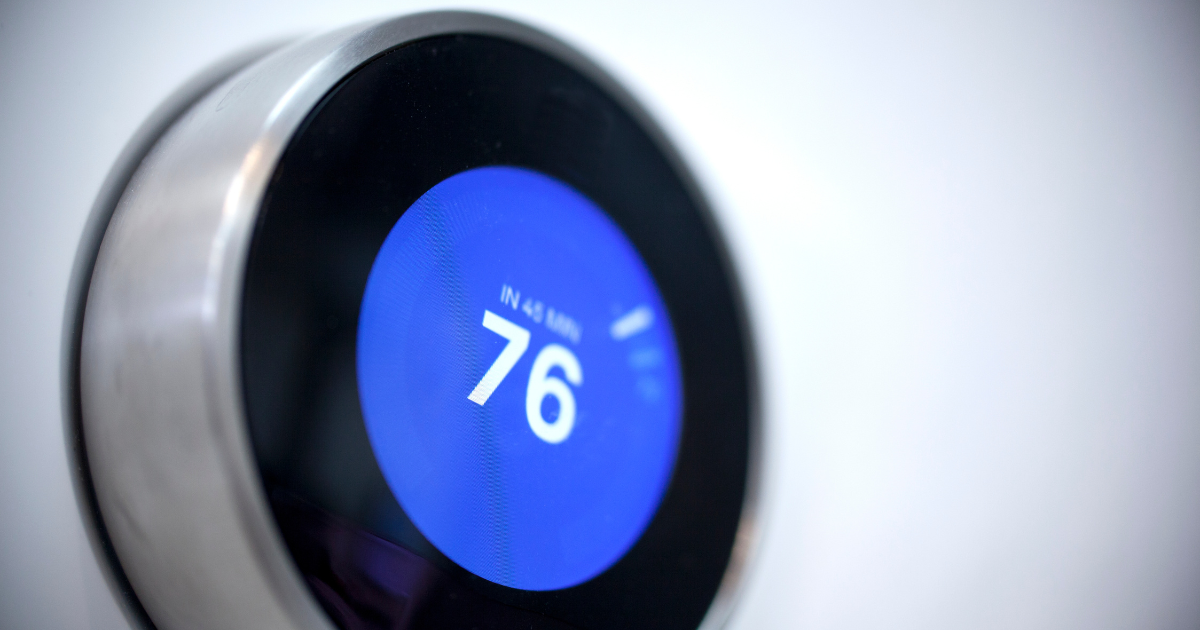
What To Know About Thermostat Temperature Limits

Your thermostat may seem simple: set your desired temperature and wait for comfort. But behind the scenes, it’s playing a crucial role in maintaining your HVAC system’s performance, energy efficiency, and even its safety. One often-overlooked feature is its temperature limits – the maximum and minimum settings your system allows.

If you’ve ever tried to set your thermostat extra low in summer or higher in winter and noticed it won’t go further, you’ve experienced these limits in action. Understanding how they work and why they exist can help you prevent damage, save money, and keep your home comfortable all year long.

What Are Thermostat Temperature Limits?

A thermostat temperature limit is the highest or lowest point your system will allow you to set. These limits are typically programmed by the manufacturer or HVAC installer to ensure your equipment operates safely and efficiently.

For most homes:

  • Cooling limits fall between 60 and 80 degrees
  • Heating limits range between 50 and 90 degrees

While some thermostats can be adjusted beyond those ranges, doing so may strain your system or cause unnecessary wear. In short, temperature limits help your HVAC system do its job without working harder than it should.

Why Temperature Limits Exist

Your thermostat isn’t trying to frustrate you; it’s protecting both your comfort and your investment. Here’s why temperature limits matter:

1. Preventing System Overload

If you set your thermostat too low in summer or too high in winter, your HVAC system will run continuously trying to reach an unrealistic temperature. This constant strain can lead to:

  • Compressor or blower motor failure
  • Frozen coils in cooling mode
  • Overheating components during heating cycles

Temperature limits act as a safeguard against pushing your equipment beyond its safe operating range.

2. Protecting Energy Efficiency

Every degree you change your thermostat can have a big impact on your energy use. According to the U.S. Department of Energy, adjusting your thermostat by just 7-10 degrees for eight hours a day can save up to 10% a year on heating and cooling costs.

Temperature limits ensure your system stays within an efficient range, keeping comfort steady without sending your energy bills through the roof.

3. Maintaining Balanced Comfort

Extreme settings can cause inconsistent heating or cooling throughout your home. Temperature limits help keep airflow balanced, reduce humidity fluctuations, and ensure your system distributes conditioned air evenly across all rooms.

4. Ensuring System Longevity

Your HVAC system is designed for gradual, balanced operation. When pushed beyond its intended range, it wears down faster. Temperature limits help extend your system’s lifespan and reduce the need for costly repairs.

How Thermostat Limits Affect Different Systems

Different HVAC systems respond to temperature settings in different ways, which is why your thermostat’s limits may vary.

  • Heat Pumps: Designed to maintain comfort efficiently, but extreme temperature settings can trigger the emergency heat mode: a less efficient backup that drives up energy costs.
  • Furnaces: Can overheat if set too high, especially if airflow is restricted by dirty filters or vents.
  • Air Conditioners: May freeze coils or cause compressor strain when set too low for extended periods.

If you’re unsure what range is safe for your system, your local HVAC professional can confirm or adjust your thermostat settings for your home’s size and equipment type.

Adjusting or Overriding Temperature Limits

Some programmable or smart thermostats allow you to customize or temporarily override the preset limits, but proceed with caution.

Before adjusting:

  1. Check your system’s manufacturer guidelines. Exceeding recommended settings could void your warranty.
  2. Consider your HVAC system’s age and condition. Older systems are more sensitive to extreme settings.
  3. Evaluate your insulation and air sealing. A well-insulated home may not need extreme adjustments to stay comfortable.

If your thermostat frequently restricts your adjustments, it may be time to upgrade to a smart thermostat that offers programmable schedules, remote access, and energy-saving automation.

Smart Thermostats and Temperature Management

Modern smart thermostats take the guesswork out of comfort and efficiency. They use sensors, learning algorithms, and even local weather data to automatically adjust temperatures within safe and efficient ranges.

Benefits include:

  • Optimized energy use based on occupancy
  • Real-time efficiency reports
  • Mobile app control for remote adjustments
  • Integration with voice assistants and smart home systems

A professional thermostat installation ensures your system is calibrated correctly and programmed for your household’s needs, so you enjoy comfort and savings without overworking your HVAC.

When to Call a Professional

If your thermostat seems to limit your settings more than usual, fails to respond, or causes uneven temperatures, it may be miscalibrated or malfunctioning.

Signs that it’s time to call an HVAC expert include:

  • Frequent short cycling or long run times
  • Inconsistent temperature readings
  • Blank or frozen thermostat screen
  • Rising utility bills without clear cause

At Amazing Morrow, our experienced technicians can inspect your thermostat, check wiring and sensor performance, and make recommendations for repair or replacement when needed.

Keep Comfort in Check Year-Round

Your thermostat temperature limits aren’t there to restrict you; they’re there to protect your system and your comfort. By staying within those ranges, you’ll avoid unnecessary wear, reduce energy waste, and enjoy reliable performance from your HVAC system season after season.

If you’re dealing with thermostat issues or want to explore smarter temperature control options, call (281) 301-0560 or schedule service online today. Our team proudly serves homeowners across Spring, Kingwood, and surrounding Texas communities with honest, reliable HVAC expertise.

5 Reasons Your Energy Bills Go Up in the Fall

As the long, hot Texas summer gives way to cooler fall temperatures, many homeowners expect their energy bills to start dropping. But instead of relief, you may notice a sudden increase when the seasons change. If you’ve ever wondered, “Why do my energy bills go up in the fall?” you’re not alone. The answer has to do with shifting weather patterns, HVAC use, and even your home’s efficiency.

At Amazing Morrow, we help homeowners in Spring and the surrounding area manage comfort and costs year-round. Here’s a closer look at why your bills may rise in the fall – and what you can do about it.

1. Temperature Swings Mean More HVAC Use

In the summer, your air conditioner works hard to keep your home cool. When fall arrives, the weather becomes less predictable. Mornings may be cool enough to need the heater, while afternoons still require air conditioning. This back-and-forth switching between heating and cooling puts extra strain on your HVAC system and increases energy use.

Tip: Set your thermostat to a consistent temperature or take advantage of a smart thermostat to automatically adjust settings. This reduces the constant stop-and-start that drives up energy costs.

2. Heating Systems Often Use More Energy

Another factor is the cost of heating itself. Furnaces and electric heaters typically use more energy than an air conditioner operating under mild conditions. Even though fall temperatures aren’t frigid, running your heater in the mornings and evenings can still raise your monthly utility bills.

If your system is older, it may operate less efficiently, using more energy to achieve the same comfort. In some cases, this is a sign it may be time to consider an upgrade to a more energy-efficient unit. Learn more about our heating services.

3. Poor Insulation and Air Leaks

Fall is a season when insulation problems and air leaks often show themselves. Drafty windows, worn weatherstripping, and poorly sealed ductwork allow warm or cool air to escape. This forces your HVAC system to run longer, driving up your bills.

Tip: Walk through your home on a cool, breezy day and feel for drafts around windows and doors. Sealing gaps and adding insulation can make a noticeable difference in your energy costs.

4. Seasonal Maintenance is Overdue

If your HVAC system hasn’t had a tune-up since spring, dirt buildup, clogged filters, or worn components could be lowering its efficiency. Even small issues – like a dirty coil or weak blower motor – can make your system run longer and harder than necessary.

Fall is the perfect time to schedule professional maintenance so your system is ready for the cooler months ahead. Book your appointment today to improve efficiency and prevent costly breakdowns.

5. Lifestyle Changes in the Fall

It’s not just your HVAC system affecting your bills – your family’s habits change in the fall, too.

Kids are back in school, holidays are around the corner, and people often spend more time indoors. That means more lights, electronics, cooking, and laundry, all of which add up on your utility bill.

Tip: Switch to LED light bulbs, unplug unused devices, and use energy-efficient appliances whenever possible to cut back on wasted electricity.

How to Keep Energy Bills Under Control

The good news is that homeowners can take steps to keep energy bills in check during the fall:

  • Schedule a professional HVAC inspection and cleaning.
  • Replace air filters every 1-3 months.
  • Seal air leaks and add insulation where needed.
  • Install a programmable or smart thermostat.
  • Keep up with regular maintenance through a preventative care plan.

By being proactive, you’ll not only lower energy bills but also extend the life of your HVAC system and enjoy a more comfortable home.

Stay Comfortable, Save Money

Your energy bills may rise in the fall, but with the right steps, you can keep them manageable. Understanding the causes – temperature swings, heating system demands, insulation issues, and lifestyle changes – helps you take control of your home’s efficiency.

If you’re ready to cut costs and improve comfort this season, call Amazing Morrow at 281-301-0560 or schedule your service online. Our team is here to make sure your home stays comfortable all year long.

When Should I Turn My Heater On For The First Time This Year?

For much of the year in Texas, heating your home is the last thing on your mind. But when cooler weather arrives, many homeowners find themselves asking the same question: When should I turn my heater on for the first time this year?

The answer is not always as simple as flipping the switch on the first cold night. Preparing your system properly and knowing the right time to start it up can protect your comfort and prevent costly issues.

Why Timing Matters

Turning on your heater too late can leave you shivering through the first chilly nights. On the other hand, switching it on without preparation can create unpleasant smells, mechanical problems, or even safety risks.

Taking the time to plan ahead ensures your system is ready when you need it most.

The Right Temperature to Switch on Your Heater

For most households, the heater should stay off until indoor temperatures consistently dip into the upper 60s. Many families find that 68 to 70 degrees is the range where comfort starts to drop, making it a smart time to rely on your system.

Preparing Your Heater Before the First Use

The first time you turn on your heater each season, it often produces a burning smell as dust burns off the heating elements or heat exchanger. While this odor is normal, there are steps you can take to minimize problems and ensure safe operation.

Before turning your heater on for the season:

  • Replace or clean your air filter to improve airflow and air quality.
  • Clear away any objects near vents, registers, or your heating equipment.
  • Test your thermostat by setting it to “heat” and raising the temperature a few degrees.
  • Listen for unusual sounds and confirm warm air is flowing through your vents.

These simple steps can help you catch potential issues early.

Should I Schedule Maintenance Before Turning My Heater On?

Yes. Professional maintenance is the best way to prepare your system for seasonal use. During a heating tune-up, a technician from Amazing Morrow inspects, cleans, and tests your system to make sure everything is running as it should. Maintenance helps prevent unexpected breakdowns, reduces energy waste, and extends the lifespan of your heater.

Many Spring homeowners choose to schedule service in early fall so their system is ready for the first cold front. If you have not yet had your heater serviced this year, it is wise to book an appointment before relying on it daily.

Common Issues When Starting a Heater for the Season

If your heater has been sitting unused for months, you may notice some issues the first time you switch it on.

Common concerns include:

  • Burning Smell: Often caused by dust, but it should fade within a few hours. If it persists, call for service.
  • Uneven Heating: This can signal airflow problems, duct issues, or a failing blower motor.
  • Short Cycling: If your system turns on and off rapidly, it may be due to a thermostat or mechanical problem.
  • Loud Noises: Banging, squealing, or grinding are not normal and should be addressed immediately.

If these problems occur, don’t ignore them. Professional heater repair can restore safe, efficient operation before winter arrives.

Testing Your Heater Early in the Season

A good way to prepare your heater is to test it during mild weather. Running it for a short cycle before the first cold snap lets you confirm warm air is flowing, odd smells fade quickly, and no strange noises appear.

This gives you time to address problems before daily use.

Can Turning On My Heater Save Money in the Long Run?

It may sound backward, but turning your heater on early in the season can actually save money. By catching problems before peak use, you avoid expensive emergency repairs. Plus, a well-maintained system runs more efficiently, reducing monthly energy costs.

Pairing seasonal startup with a programmable thermostat can further improve savings by letting you control when your heater runs and avoid unnecessary energy use.

How Often Should Heaters Be Replaced?

Another question many homeowners have is, “How long will my heater last?” Most heating systems last 10–15 years with proper care. If your system is nearing this age and struggles during startup each fall, it may be time to consider a new heater installation. Investing in a new, energy-efficient system can improve comfort and reduce utility bills over time.

Final Tips for a Smooth Seasonal Startup

  • Test your heater before the first cold snap so you have time to address issues.
  • Replace your air filter regularly throughout the season.
  • Keep vents and registers clear of furniture or rugs.
  • Schedule annual maintenance to keep your system running at its best.

Stay Ready for the Season with Professional Heating Services in Spring, TX from Amazing Morrow

The question of when to first turn your heater on is best answered with preparation. By testing your system early, scheduling maintenance, and knowing what to watch for, you can enjoy worry-free comfort all season long.

If your heater needs service or you want peace of mind before the first cold front arrives, call the experts at Amazing Morrow. Our team is here to provide professional maintenance, repair, and installation for homeowners in Spring, TX and the surrounding areas.

Call Amazing Morrow at 281-301-0560 today to schedule your expert heating services.

Why Your House Stays Dusty Despite Regular Cleaning

You dust, vacuum, and wipe every surface – yet within hours, there’s that layer of dust again. For many homeowners, this isn’t just a housekeeping frustration. Persistent dust can trigger allergies, worsen asthma symptoms, and make your home feel less fresh no matter how often you clean.

The truth? Dust isn’t just about surface dirt, it’s a symptom of what’s happening in your home’s air, filtration, and habits. By understanding where dust comes from and how to keep it from circulating, you can make cleaning last longer and improve your indoor air quality.

What Is Dust and Where Does It Come From?

Dust is more complex than it looks. Inside most homes, it’s a mix of:

  • Dead skin cells and hair
  • Pet dander
  • Pollen and plant debris
  • Fabric fibers from clothing, curtains, and carpet
  • Outdoor dirt, sand, and soil tracked in on shoes or blown in through leaks
  • Microscopic particles from cooking, candles, or fireplace use
  • Dust mite waste and insect fragments (both common allergens)

In Spring, TX, you can add seasonal pollen and outdoor humidity to the list – two big contributors to why dust builds up so quickly here.

The Hidden Causes of a Dusty Home

Even with regular cleaning, dust can return fast if you haven’t addressed its sources. Here are the top reasons homes in our area struggle with persistent dust.

1. Leaky or Dirty HVAC Systems

Your HVAC system is your home’s main line of defense against dust. If your air ducts have leaks, they can pull dusty air from attics or crawl spaces and circulate it indoors. Dirty filters or clogged coils can also spread particles instead of trapping them.

Fix it:

  • Replace air filters every 1-3 months (more often during peak allergy season).
  • Schedule AC maintenance to clean components and check for leaks.
  • Consider a duct inspection to seal gaps and improve filtration.

2. High Humidity Levels

Humidity over 60% creates the perfect environment for dust mites and mold spores. It also makes dust particles stick together, so they cling to surfaces more stubbornly.

Fix it:

  • Keep indoor humidity between 40-50%.
  • Run your AC instead of opening windows on humid days.
  • Use a dehumidifier in problem areas.

3. Poor Air Filtration

Cheap or low-rated filters may catch large debris but allow smaller particles, like pollen and dander, to pass through.

Fix it:

  • Upgrade to a higher MERV-rated filter.
  • Ask about indoor air quality solutions such as whole-home air purifiers for finer filtration.

4. Outdoor Dust Sneaking In

Gaps around doors, windows, and vents are entry points for dust and pollen. In Texas, strong winds and high-traffic roads can push more outdoor particles inside.

Fix it:

  • Replace worn weatherstripping.
  • Seal window and door gaps with caulk.
  • Keep doors closed as much as possible.

5. Your Cleaning Tools Are Spreading Dust

Feather dusters and low-quality vacuums can just move dust around instead of removing it. Even some standard vacuums without HEPA filters can push fine dust back into the air.

Fix it:

  • Use microfiber cloths for dusting (they trap particles instead of scattering them).
  • Vacuum with a HEPA filter.
  • Empty vacuum canisters or bags outside to avoid reintroducing dust.

6. Textiles and Soft Surfaces

Carpet, rugs, curtains, bedding, and upholstery are major dust traps. Every time you walk, sit, or shake a blanket, you release particles back into the air.

Fix it:

  • Wash bedding weekly.
  • Vacuum carpets and rugs with a HEPA vacuum at least once a week.
  • Wash or steam clean curtains and upholstered furniture periodically.

How to Keep Dust from Coming Back So Fast

Dust prevention is about tackling the source, not just cleaning the symptom. Here’s a layered approach for Spring, TX homes:

  1. Maintain Your HVAC System: A clean, sealed, and efficient system reduces dust circulation and improves air quality. Book AC maintenance regularly.
  2. Control Humidity Year-Round: Use your AC and dehumidifiers to keep humidity in the 40–50% range.
  3. Upgrade Filtration: Higher-rated filters or whole-home purification systems capture more particles before they settle on surfaces.
  4. Seal Air Leaks: Stopping dust from entering is easier than cleaning it up. Weatherproof doors and windows, and seal attic and duct leaks.
  5. Adopt Cleaner Household Habits
    • No shoes indoors
    • Groom pets regularly
    • Wash throw blankets, pillows, and stuffed animals often
    • Start cleaning from high surfaces (fans, shelves) down to the floor

When to Call a Professional

If you’ve tried all the basics but your home still gets dusty within a day or two, there may be deeper issues with your HVAC system or air quality. Call in a pro if:

  • Dust returns hours after cleaning
  • Allergy or asthma symptoms flare up indoors
  • You notice visible dust blowing from vents
  • There’s an unexplained musty smell

The team at Amazing Morrow can inspect your HVAC, recommend filtration upgrades, and provide solutions that address the root cause of your dust problem.

Take Control of Your Indoor Air

A dusty home isn’t just an annoyance – it’s a sign your air may not be as clean as it should be. By improving filtration, sealing entry points, and keeping humidity in check, you can dramatically reduce dust and breathe easier year-round.

Call (281) 301-0560 today to schedule your indoor air quality evaluation or maintenance service and take the first step toward a cleaner, healthier home.

Why Is One Room Always Hotter Than The Others In My Home?

Does it feel like you’re stepping into a sauna every time you enter one specific room in your house? Many Houston-area homeowners battle uneven temperatures, where one room stays stubbornly hotter than the rest of the home, no matter how low you set your thermostat.

At Amazing Morrow, we’ve spent decades helping Texans stay cool and comfortable through blazing summers. Let’s explore some common reasons one room might be hotter, and, more importantly, how you can solve it for good.

1. Inadequate Insulation or Air Leaks

Even in newer homes, insulation issues can cause major temperature swings. Rooms over garages, additions, or spaces with high ceilings often lose cool air quickly. The intense Texas sun pouring through windows only adds to the problem, turning certain rooms into heat traps by mid-afternoon.

Why this happens:

  • Thin or missing insulation in walls, attics, or floors allows heat to enter faster than your AC can remove it.
  • Air leaks around windows, doors, or attic access points let hot outdoor air seep inside.
  • Older windows without low-E coatings or proper sealing allow significant heat gain.

What you can do:

  • Check for drafts around windows and doors using your hand or an incense stick.
  • Upgrade attic insulation, which is often the biggest heat barrier.
  • Install energy-efficient window treatments like reflective blinds or thermal curtains.

2. Ductwork Problems

Houston’s heat demands your AC work at its best, but issues inside your ductwork can sabotage your comfort. Crushed, leaking, or poorly designed ducts can block cool air from reaching certain rooms, leaving them warmer than the rest of the house. But it’s not just damage – dirty ductwork can also be a hidden culprit.

When dust, debris, or mold build up inside your ducts, it restricts airflow and forces your system to work harder, making some rooms feel stuffy and warm. Even if your ductwork looks fine on the outside, hidden blockages can keep cool air from getting where it’s needed.

Signs you might have duct issues include:

  • Weak or barely noticeable airflow from vents in the hot room
  • Rooms cooling much more slowly than the rest of the house
  • Unexplained dust buildup or musty smells coming from vents
  • Higher-than-usual energy bills because your system is running nonstop

What you can do:

  • Schedule a professional duct inspection to check for leaks, damage, or hidden blockages
  • Repair or replace damaged duct sections to restore proper airflow
  • Invest in duct cleaning services to remove dust, mold, and debris and improve system efficiency
  • Consider duct sealing to reduce air leaks and energy waste

At Amazing Morrow, we often find that a combination of duct cleaning and repairs can transform a persistently hot room into one of the most comfortable spots in the house.

3. HVAC System Is Improperly Sized

Bigger isn’t always better when it comes to air conditioning. An oversized AC cools your home quickly but shuts off before properly distributing air or removing humidity. Meanwhile, an undersized system struggles to keep up, leaving some rooms warm and others icy cold.

Why sizing matters:

  • Proper sizing ensures even cooling throughout your home.
  • An oversized unit short-cycles, leading to humidity issues and uneven temperatures.
  • An undersized unit runs constantly but never achieves full comfort.

What you can do:

  • If your system is older or wasn’t sized correctly during installation, it may be time for a professional load calculation.
  • Amazing Morrow can evaluate your home’s layout, insulation levels, and sun exposure to recommend the right system size for consistent comfort.

4. Room-Specific Heat Sources

Sometimes the problem isn’t your HVAC at all – it’s what’s inside the room. Electronics, lighting, and appliances can generate significant heat. A home office full of computers or a media room with large TVs and gaming consoles can feel like an oven, especially during Houston’s hot afternoons.

Examples of heat sources:

  • Computers and electronics running for long periods.
  • Incandescent or halogen lighting, which produces more heat than LEDs.
  • Appliances like minifridges or space heaters in bonus rooms.

What you can do:

  • Switch to LED lighting, which emits far less heat.
  • Turn off or unplug devices when not in use.
  • Consider installing a ductless mini split for spot cooling in rooms with high heat loads.

5. Poor Air Balancing

Even a perfectly working AC system can leave one room hotter if airflow isn’t balanced correctly. Closed or partially closed vents, dampers stuck in one position, or blockages in ductwork can cause cool air to bypass certain rooms.

Why air balancing matters:

  • Ensures every room receives the right amount of cooled air.
  • Prevents overcooling some areas while leaving others uncomfortable.
  • Reduces strain on your HVAC system.

What you can do:

  • Check that all supply vents are fully open and unobstructed.
  • Avoid closing vents in unused rooms, which can increase pressure elsewhere.
  • Schedule professional air balancing to adjust dampers or ductwork for optimal airflow.

Keep Your Whole Home Comfortable

No one wants to live with uneven temperatures. Whether your problem is ductwork, insulation, system sizing, or hidden heat sources, Amazing Morrow has solutions to keep every room comfortable, even during Houston’s hottest days.

Ready to solve your hot-room mystery once and for all? Call 281-370-1566 to schedule an expert assessment. Let’s help you enjoy total home comfort – every room, every day!

Should You Turn Off Your AC When You Go on Vacation?

Leaving for a summer vacation comes with more than just packing your bags and setting your out-of-office reply. If you’re like many homeowners, you’ve probably asked yourself, “Should I turn off my AC while I’m away?” After all, with no one at home, cooling the house might seem like a waste.

But hold on! The decision isn’t as simple as hitting the off switch. There are factors to consider, from energy savings to the wellbeing of your home itself. Let’s explore when you should leave your AC running, when it’s okay to switch it off, and why setting the thermostat smartly can benefit both your wallet and your house.

The Case for Leaving Your AC On

It might seem counterintuitive to keep your AC running while no one’s at home, but there are good reasons to do so. Here’s why:

Protecting Your Home

Warm, humid weather can take a toll on your home. If you completely turn off your AC, indoor humidity rises, creating a breeding ground for mold and mildew. High temperatures can also warp wood furniture, damage electronics, and even peel paint. Running your AC at a higher temperature ensures your home’s interiors are protected while you’re away.

Save More Energy

Turning off your AC completely might seem like a good idea, but it can actually use more energy. When you turn it back on, your AC has to work harder and longer to cool your entire house again. This energy spike can cancel out any savings from turning it off.

Pet and Plant Care

If you’re leaving behind pets or temperature-sensitive plants, maintaining a moderately cool environment is crucial for their comfort and survival. Pets can become distressed in overly warm conditions, while certain plants might wilt or dry out in excessive heat.

When You Might Consider Turning It Off

While keeping the AC on has its advantages, there are times when turning it off entirely might make sense.

  1. Mild Weather: If you’re vacationing during seasons with consistently mild temperatures, turning off your AC might not pose any risk to your home. However, be sure to monitor local weather forecasts for sudden heatwaves.
  2. Short Trips: If you’re only going away for a day or two, briefly turning off the AC could work without significantly impacting your home’s environment.
  3. Cutting Costs on Energy Bills: If you’re looking to minimize energy use as much as possible and are confident about your home’s insulation, this might be an option. Just ensure humidifiers aren’t left in problematic conditions.

The Sweet Spot Set It… Don’t Forget It!

The best solution for most homeowners lies somewhere in the middle. Instead of turning your AC off completely, raise your thermostat’s temperature to a level that balances cost savings and humidity control.

  • Recommended Thermostat Setting for Vacations: Aim for 80°F to reduce energy use while minimizing heat and moisture build-up. Smart thermostats can even allow you to make adjustments remotely if sudden weather changes occur.
  • Use a Programmable or Smart Thermostat: Devices like the Nest thermostat or Ecobee can automate temperature settings while you’re away. Some even “learn” your preferences and adjust accordingly!
  • Close Curtains and Blinds: Keeping your windows covered will block out heat from the sun, further helping to maintain a manageable indoor temperature.

Additional Tips for AC Efficiency While Away

  1. Check Your Filters: Clean filters mean better airflow and efficiency. Change or clean your AC filter before leaving to ensure it runs smoothly.
  1. Seal Any Gaps or Drafts: Inspect your windows and doors for drafts that can allow hot air in or cool air out. Sealing these gaps will improve energy savings.
  1. Routine Maintenance Check: Before a long trip, schedule a tune-up with trusted professionals like Amazing Morrow to ensure your AC system is in top shape. This proactive step can help avoid unexpected issues while you’re away.

Trust Amazing Morrow to Keep Your AC Running Smoothly

The decision between turning your AC off or leaving it on doesn’t have to leave you sweating, literally or figuratively. With Amazing Morrow’s expert air conditioning services in Spring, TX, you can gain peace of mind that your system is ready to keep your home comfortable and energy-efficient.

Our HVAC experts provide:

  • Maintenance and tune-ups to keep your AC running efficiently.
  • Smart thermostat installations to help you optimize settings.
  • Professional advice tailored to your home’s specific needs.

Heading out on vacation soon?

Contact our team today or explore Mr. M’s Priority Care Club for stress-free maintenance services year-round. We’re here to make your life easier while ensuring your comfort (even when you’re not at home)!

Do Ceiling Fans Help Cool My Home?

As temperatures rise across Spring, TX, you might wonder if ceiling fans help cool your home. With energy costs climbing and summer heat intensifying, understanding how ceiling fans work – and how they fit into your home cooling strategy – is key to staying comfortable without overpaying on your electric bill.

In this guide, Amazing Morrow explains how ceiling fans affect indoor comfort, how they work with your HVAC system, and how to use them effectively during the hottest months of the year.

Understanding the Ceiling Fan Cooling Effect

Let’s start with a simple fact: Ceiling fans do not lower the room’s temperature. Instead, they create what’s called a wind chill effect. Here’s how it works:

  • As the fan blades rotate, they circulate air downward, creating a gentle breeze across your skin
  • This movement speeds up the evaporation of sweat, making your body feel cooler even though the air temperature hasn’t changed
  • The result? You feel up to 4 degrees cooler, which lets you stay comfortable at higher thermostat settings

This means ceiling fans cool people, not rooms. If you’re not in the room, they won’t do you any good – so always remember to turn them off when you leave

How Ceiling Fans Help Your HVAC System

While a fan doesn’t generate cold air, it helps your AC perform better by improving airflow and reducing temperature inconsistencies throughout your home.

Here’s How Ceiling Fans Support Your HVAC

  • Better air distribution: Fans help circulate the cooled air your HVAC system produces, reaching areas that might otherwise feel warmer.
  • Lower energy usage: You can set your thermostat 3 to 4 degrees higher and still feel just as comfortable, reducing cooling costs.
  • Reduced strain on your AC: By making your home feel cooler, ceiling fans allow your air conditioner to run less frequently.

Should Fans Be Used With or Instead of Air Conditioning?

The short answer: use ceiling fans alongside your AC during hot months, not as a replacement.

  • In peak summer, use both to maximize cooling comfort while reducing energy consumption.
  • In mild weather, you might rely on ceiling fans alone to keep air moving without needing full HVAC use.

Summer vs. Winter Fan Direction

To make ceiling fans effective in all seasons, you need to set the correct blade direction:

  • In summer, fan blades should spin counterclockwise to create a cooling downdraft.
    In winter, switch to clockwise rotation at a low speed to gently push warm air near the ceiling down into the room.

For best results, make sure your fan is installed:

  • 7-9 feet above the floor
  • 10-12 inches below the ceiling
  • In the center of the room for balanced airflow

Smart Features Worth Considering

Today’s ceiling fans do more than spin. If you’re considering a fan upgrade, look for features that improve both efficiency and convenience:

  • ENERGY STAR®-rated models – These fans use up to 60% less energy than standard models
  • Remote or wall-mounted controls – Adjust fan speed and direction without climbing a ladder
  • Smart thermostat integration – Some fans can sync with your smart home system to run only when needed or adjust automatically based on room temperature

These features make it even easier to use your ceiling fan as a true cooling assistant, not just a spinning fixture.

Keep Your Home Cool with Air Conditioning Services in Spring, TX with Amazing Morrow

So, do ceiling fans help cool your home? Absolutely! But only when used correctly and in tandem with your HVAC system. At Amazing Morrow, we’ve spent over 20 years helping Spring homeowners. Whether you’re upgrading your cooling setup, scheduling AC maintenance, or considering smart home integrations, our team is here to help you make smarter energy choices. Call us today at (281) 370-1566 to learn more about boosting your summer comfort while keeping energy bills in check with our expert air conditioning services.

5 Proven Ways To Reduce Humidity in Your Spring, Texas Home

Living in Spring, TX means dealing with intense humidity nearly year-round. While you may be used to the muggy outdoor air, high indoor humidity is more than just uncomfortable – it can damage your home, worsen allergies, and even lead to mold growth and musty smells.

High humidity can also directly impact your indoor air quality, creating an environment where allergens like dust mites and mold thrive. Poor air quality not only affects your comfort but can aggravate respiratory issues and allergies, making it crucial to take steps to maintain a healthier indoor environment.

If you’re noticing condensation on your windows, damp walls, or a persistent musty odor, it’s time to take action and reduce humidity in your home. Addressing these issues not only improves your overall comfort but significantly enhances your home’s air quality.

At Amazing Morrow, we understand the climate challenges Southeast Texas homeowners face. Below, we’re breaking down five effective ways to reduce humidity in your Spring, TX home so you can breathe easier, protect your investment and improve your overall indoor air quality.

Indoor Air Quality Solutions to Reduce Humidity in Southeast Texas

1. Install a Dehumidification System That Works With Your Home

Dehumidifiers are one of the most powerful tools to fight indoor moisture – especially during the spring and summer months in Spring. While portable units can help in small, damp areas like bathrooms or laundry rooms, they’re often not enough to manage the humidity throughout an entire home.

For whole-home protection, we recommend a built-in dehumidification system that integrates with your HVAC. These systems not only reduce moisture levels but also significantly improve indoor air quality by preventing allergens like mold and bacteria from developing. They work year-round to maintain indoor humidity levels between 30% and 50%, helping prevent mold growth and reducing strain on your cooling system.

BONUS TIP: Look for systems with features like automatic shut-off, digital humidity control, and large capacity tanks for added convenience and effectiveness.

2. Improve Ventilation in High-Moisture Areas

Poor airflow can trap moisture and allow it to collect on walls, ceilings, and furniture. That’s why ventilation is essential – especially in areas like bathrooms, kitchens, laundry rooms, and attics.

Here’s how to optimize airflow in your home:

  • Install exhaust fans in bathrooms and over stoves, and run them during and after use.
  • Vent fans to the outside – not into the attic, where trapped moisture can cause even more issues.
  • Open windows on dry days to let fresh air in and moist air out.
  • Use ceiling fans to improve air circulation and prevent moisture from settling.
  • Check attic ventilation, including soffit and ridge vents, to ensure rising heat and humidity can escape.

3. Fix Leaks That Feed Humidity

Even small plumbing leaks can silently drive up your home’s humidity levels. If you’ve noticed rising moisture without a clear cause, it’s worth doing a leak inspection inside and out.

  • Check under sinks, behind toilets, and around appliances for drips or puddles.
  • Look for water stains on ceilings and walls, which may indicate hidden leaks.
  • Inspect your foundation and crawl space for cracks or standing water.
  • Fix dripping faucets or sweating pipes to stop adding unnecessary moisture to the air.

4. Prevent Moisture from Entering Your Home

Outdoor water intrusion is a major source of indoor humidity – especially after Spring’s notorious downpours. A few preventative upgrades to your home and landscape can make a big difference.

  • Ensure your yard slopes away from your foundation to avoid pooling water.
  • Keep gutters clean and pointed away from the home.
  • Use weatherproof sealants in basements or crawl spaces.
  • Trim vegetation near your exterior walls to improve air circulation.
  • If your yard floods easily, consider installing a French drain system.

5. Use Moisture-Absorbing Plants (But Not Too Many!)

Believe it or not, certain houseplants can help regulate humidity in your home. Plants like:

  • Boston Fern
  • Peace Lily
  • Spider Plant

… naturally absorb moisture from the air. These are great to place in bathrooms, laundry rooms, or other humid areas of your home.

Just be cautious – too many houseplants can actually raise humidity levels, especially if overwatered. Use them strategically and avoid placing moisture-loving plants like bamboo or fiddle leaf figs in already-damp spaces.

Reduce Humidity & Improve Indoor Air Quality in Spring, TX with Our Expert HVAC Services Today!

Managing your home’s humidity and indoor air quality in Spring, TX doesn’t have to be overwhelming. With the right combination of ventilation, dehumidification, maintenance, and smart design, you can enjoy a home that’s cooler, drier, and healthier.

At Amazing Morrow Cooling & Heating, our experienced team is dedicated to helping Spring, TX homeowners tackle challenges like poor air quality and high humidity. Whether you need a dehumidifier, ventilation improvements, or an HVAC inspection to assess your system’s efficiency – we’re here to help.

Call Amazing Morrow at (281) 301-0368 or schedule services online to get expert help managing your indoor humidity today.

Schedule Service

"*" indicates required fields

This field is for validation purposes and should be left unchanged.